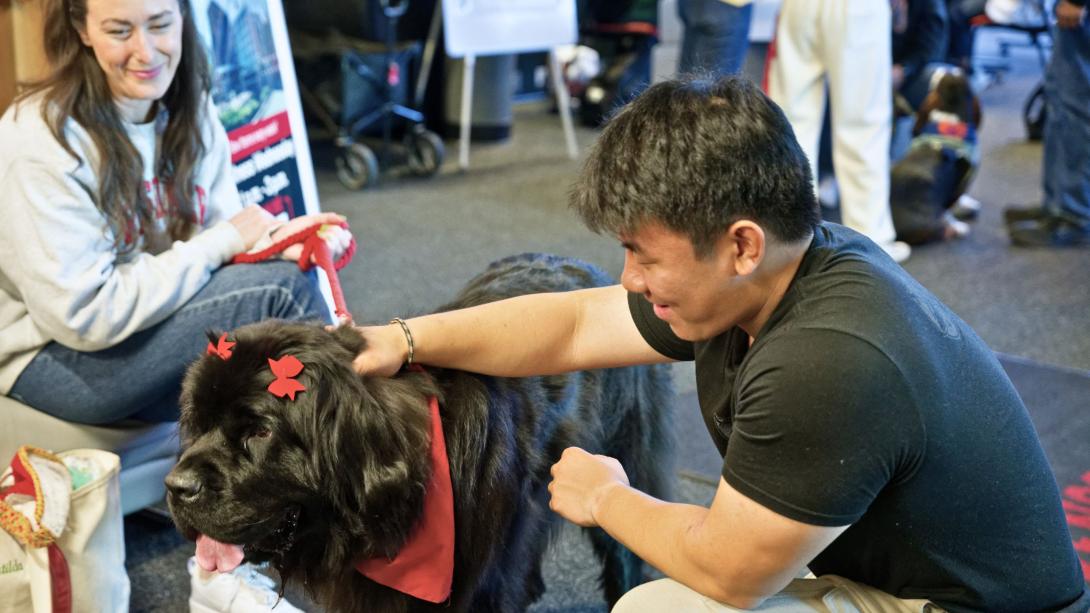
Student wellbeing at RPI focuses on its eight dimensions: Intellectual, Physical, Spiritual, Occupational, Financial, Social, Emotional, and Environmental. Throughout 2025–2026, Student Experience strengthened an integrated system of care designed to make it easier for students to find support, navigate challenges, and remain engaged in their academic and personal lives while attending to all eight dimensions of wellness. Key developments included expanded counseling and healthcare access, coordinated case management, a redesigned after-hours response system, new student-centered prevention education, and increased support for students’ basic needs.
“Seeing my counselor in the high moments, low moments, and all the in-between moments has been the best. The consistency has been the most helpful.”
Helping Students Thrive and Stay Healthy
Creating a Coordinated Network of Care
The Dean of Students Office implemented the CARE Collaborative, creating a more centralized approach to student support that brings together case management, behavioral intervention, crisis response, student conduct, prevention education, family engagement, and campus partnerships. Student Support Deans helped students navigate academic, financial, medical, behavioral, and personal challenges through a “no wrong door” approach.
1,087 student cases received case management or assistance | 10,000+ family members in the expanded Parent & Family Link | Leave and return processes centralized | Cross-campus coordination strengthened through case management, incident response, and behavioral intervention teams
Expanding Integrated Healthcare
Student Health & Wellbeing continued providing comprehensive medical and mental healthcare while strengthening integration between the two. New screening practices, interdisciplinary care conferences, expanded drop-in counseling, a graduate counseling internship program, and the Mantra Health partnership increased access and created more coordinated pathways to care.
5,000 medical appointments | 4,370 counseling sessions | 957 teletherapy appointments, nearly half outside traditional business hours | 32.3% of students reached by medical services and 13.9% reached by counseling
Strengthening After-Hours Support
Student Experience redesigned its after-hours on-call system to provide a more coordinated, student-centered, and sustainable approach to crisis response. The new model established clearer points of entry, standardized response procedures, improved documentation and follow-up, and a tiered consultation structure connecting concerns with professionals who have the appropriate expertise.
New Crisis Response and On-Call Manual developed dedicated to care, professionalism, and collaboration | Standardized response and documentation protocols | Tiered consultation established for mental health, medical, facilities, and public safety concerns | Clarified the difference between immediate after-hours support and ongoing campus community care
Promoting Prevention & Healthy Decision-Making
The launch of Responsible RPI established a comprehensive approach to prevention education encompassing alcohol and other drugs, hazing, healthy relationships, sexual violence prevention, bystander intervention, and emotional wellbeing. The initiative combined peer education, individualized support, campus partnerships, and new programming while improving the cost-effectiveness of prevention education.
80+ students received individualized wellness coaching and early intervention support | $20,000+ in annual prevention costs saved through a new education platform | 63 students participated in the inaugural Night in the Mushroom Kingdom | RPI Neurons peer education program launched
Meeting Students’ Basic Needs
Off-Campus Services & Basic Needs expanded support for students experiencing food, housing, and financial insecurity. Emergency assistance, Swipe Out Hunger, the Campus Cupboard food pantry, and new off-campus housing partnerships provided practical resources intended to help students meet essential needs and remain focused on their education.
$80,000+ in emergency financial assistance distributed | 2,600+ Swipe Out Hunger meals provided | 25,046 pounds of food distributed through the Campus Cupboard food pantry | Affiliated Property Program launched to strengthen off-campus housing quality and safety
Supporting Wellbeing Through Recreation
Recreation & Wellness complemented clinical and support services by providing accessible opportunities for physical activity, stress reduction, social connection, and healthy habits. Fitness, outdoor recreation, wellness programming, club sports, and intramurals provided multiple pathways for students to incorporate wellbeing into their everyday campus experience.
8,000 weekly visits to the Mueller Center | 4,000+ annual visits to signature wellness programs | 58 club sports | 1,800+ club sport student-athletes
Developing Capacity for Health and Wellbeing Leadership
Student Experience established and hired an inaugural Associate Vice Provost for Health and Wellbeing in January 2026. This role serves a variety of functions, including supervision of the Student Health Center and the Counseling Center, the continued development of integrated and holistic care across the student experience, and the engagement of the RPI campus community in holistic wellbeing strategy.
Looking Ahead
Student Experience will continue to develop a holistic, coordinated approach to wellbeing that makes support easier to access and is responsive to the range of challenges students may experience.
Priorities include:
- Expanding the integrated care model across Health and Wellness and the Dean of Students Office.
- Increasing access to same-day, after-hours, and telehealth services.
- Growing holistic health promotion, prevention, and peer wellness initiatives.
- Strengthening basic-needs resources, emergency assistance, and off-campus partnerships.
- Enhancing assessment and campus-wide wellbeing data to better understand student needs and guide strategy for services, programs, and initiatives.
- Continuing to build a culture where seeking support is normalized and students can easily connect with the resources they need to thrive.
- Beginning the implementation of Strategic Plan for Health and Wellbeing.